WOMA Vison
A society where women are fully represented in Media.
WOMA Mission
To promote gender balance in media through networking, professional development and advocacy.
WOMA Goal
To connect, recognize, and inspire women across the media industry.
Welcome to Our Website
About Women in Media Association | WOMA
Women in Media Association is an organization for women, by women. We are committed to supporting women across all media segments, to expand networks, educate and celebrate accomplishments. Through recognition events and professional development, our purpose is to bring talented, dedicated, established and up-and-coming women in media together. Our members benefit from shared ideas and experiences, and receive access to professional training and the acknowledgement they deserve.
Around Uganda , women are far less likely than men to be seen in the media. This gender-imbalanced picture of society can reinforce and perpetuate harmful gender stereotypes. For many years, journalists and producers across Uganda have been tackling the gender representation issue by rethinking whom they put in front of the camera or microphone, with the goal of achieving 50:50 gender representation every month. Our members country wide have joined the 50:50 Project to produce more programs reaching more than 50%+ female contributors on their shows. WOMA inspires Managers and leaders to shake up the status quo and improve diversity, equality and inclusion in their media organizations.
WOMA implements actions that discusses the progress that women have made in organizing against exclusion in media. Women who demanded coverage from media outlets were originally categorized as misfits or insane, as they were perceived as departing from their traditional domestic roles. Throughout the 1970s, media outlets and journals covering a range of feminist issues emerged. Women have been gaining influence in media. WOMA brings together women journalists and producers across Uganda to report on various women issues from their respective regions and communities
Our Members
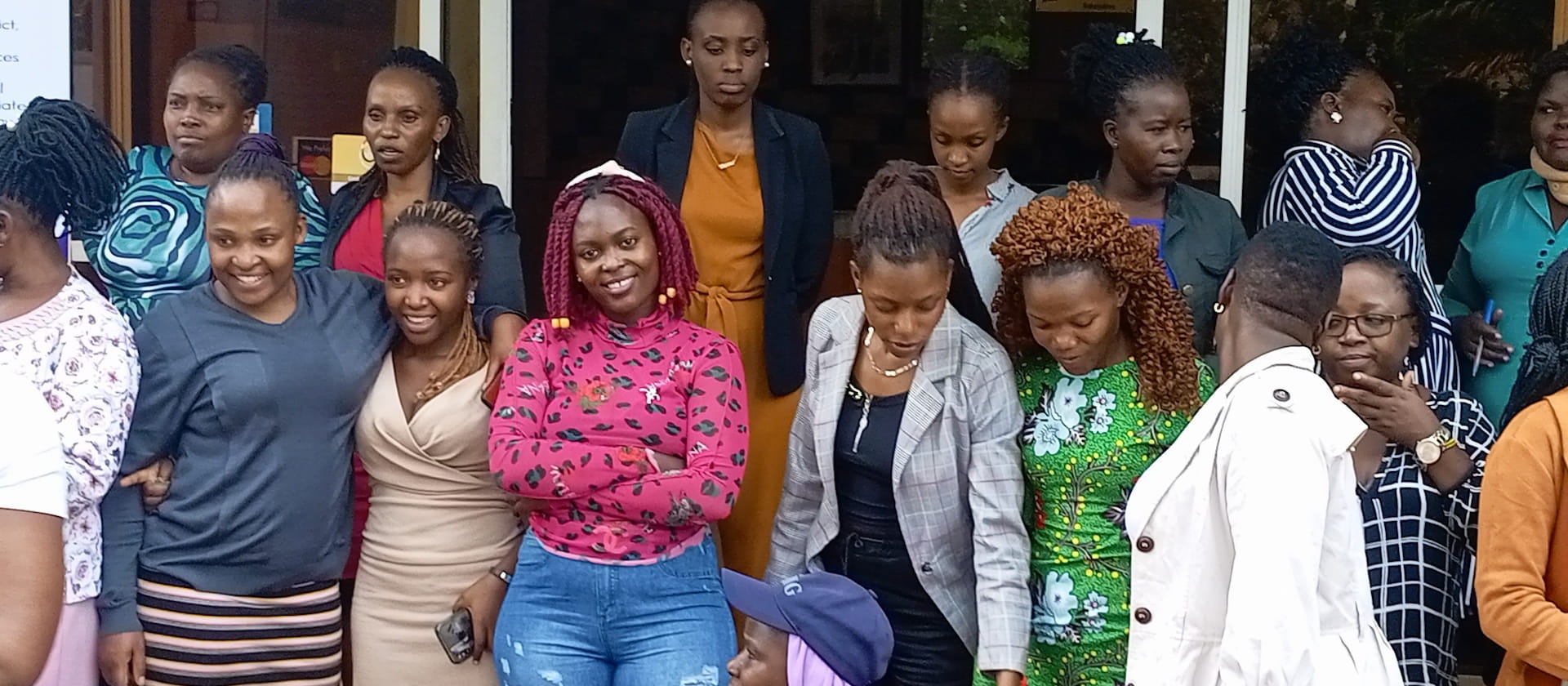
WOMA has sub-regional Networks and Associations all over Uganda. WOMA members include the following;
- 1. Kigezi Women in Media Association
- 2. Ankole Women in Media Association
- 3. Rwenzori Women in Media Association
- 4. Bunyoro Women in Media Association
- 5. Busoga Women in Media Association
- 6. Bugisu Women in Media Association
- 7. Teso Women in Media Association
- 8. Sebei Women in Media Association
- 9. Bukedi Women in Media Association
- 10. Karamoja Women in Media Association
- 11. Lango Women in Media Association
- 12. Acholi Women in Media Association
- 13. Buganda Women in Media Association
Our Actions
Addressing Gender Inequality in Media and Entertainment
Research suggests women remain locked out of top roles in media and entertainment. A more diverse cast is required. There are many reasons to care about gender issues in the media and entertainment industry—not the least of which is the importance of moving beyond traditional stereotypes.
Read moreAddressing Safey and Security of Women in Media
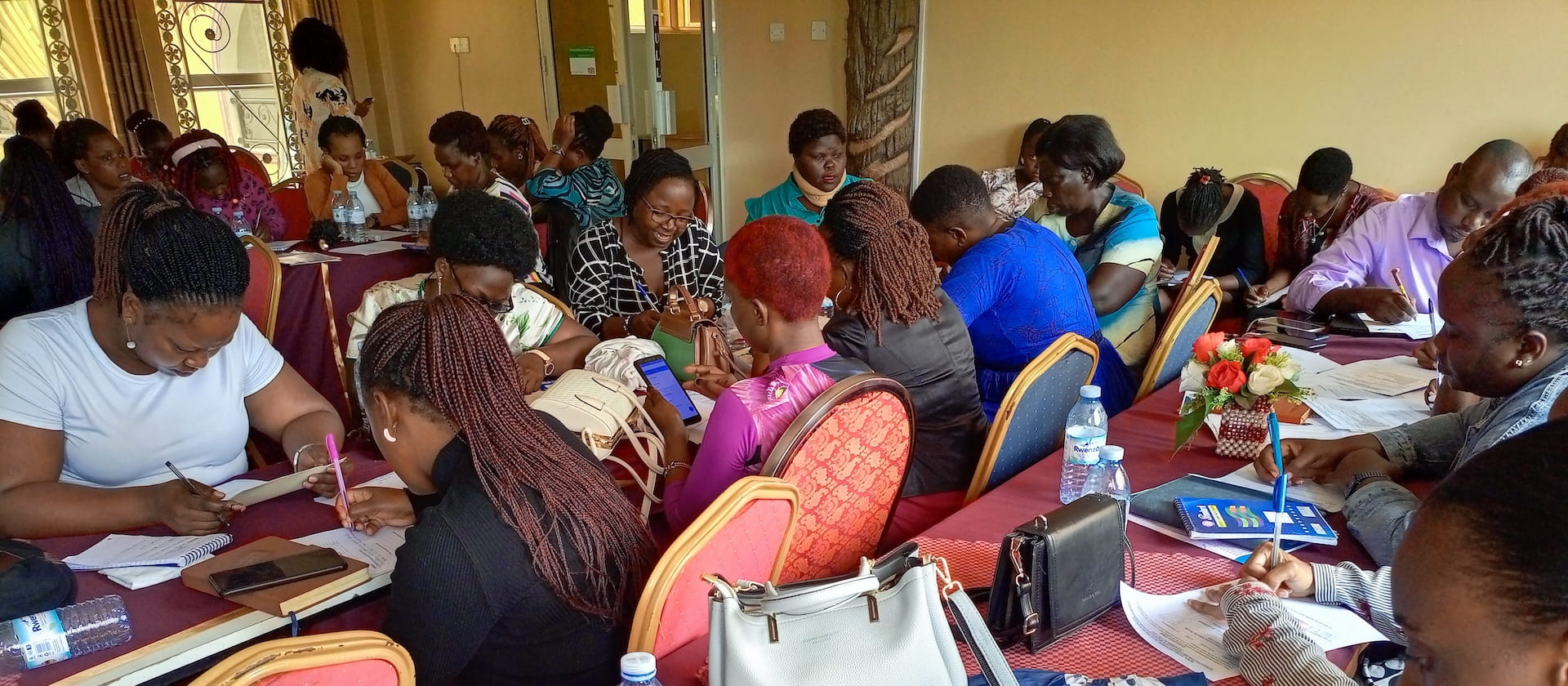
Women of all backgrounds in Uganda are at risk of and experience various forms of abuse. In Uganda, one in three women has experienced some form of physical and or sexual violence in her lifetime and this does not include sexual harassment. Women who face multiple forms of discrimination.
Read moreAddressing Violence against Women and Girls in the Media
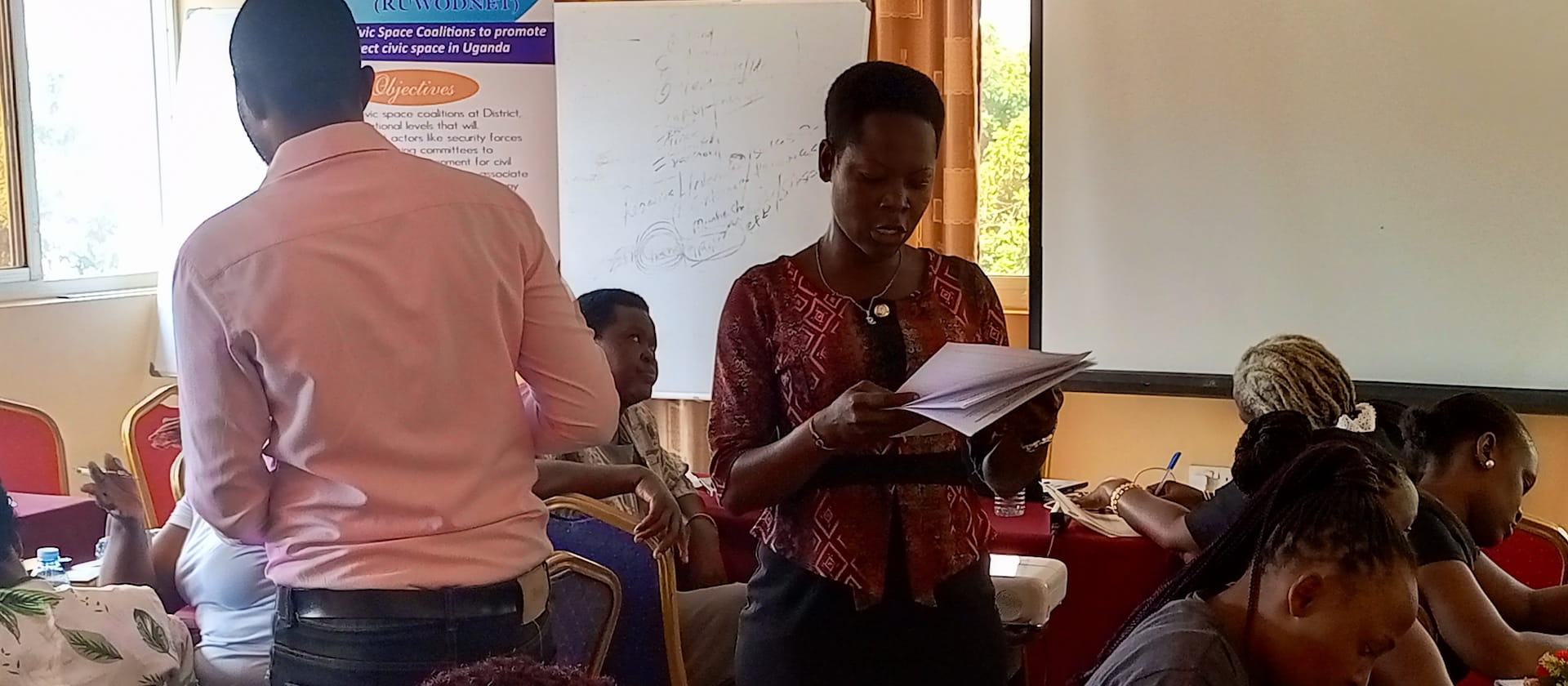
Violence against women and girls (VAWG) remains one of the most persistent barriers to gender equality and sustainable development. Estimates from WOMA indicate that 1 in 3 women countrywide experience physical or sexual violence during their lifetime.
Read moreAddressing Gender Discrimination
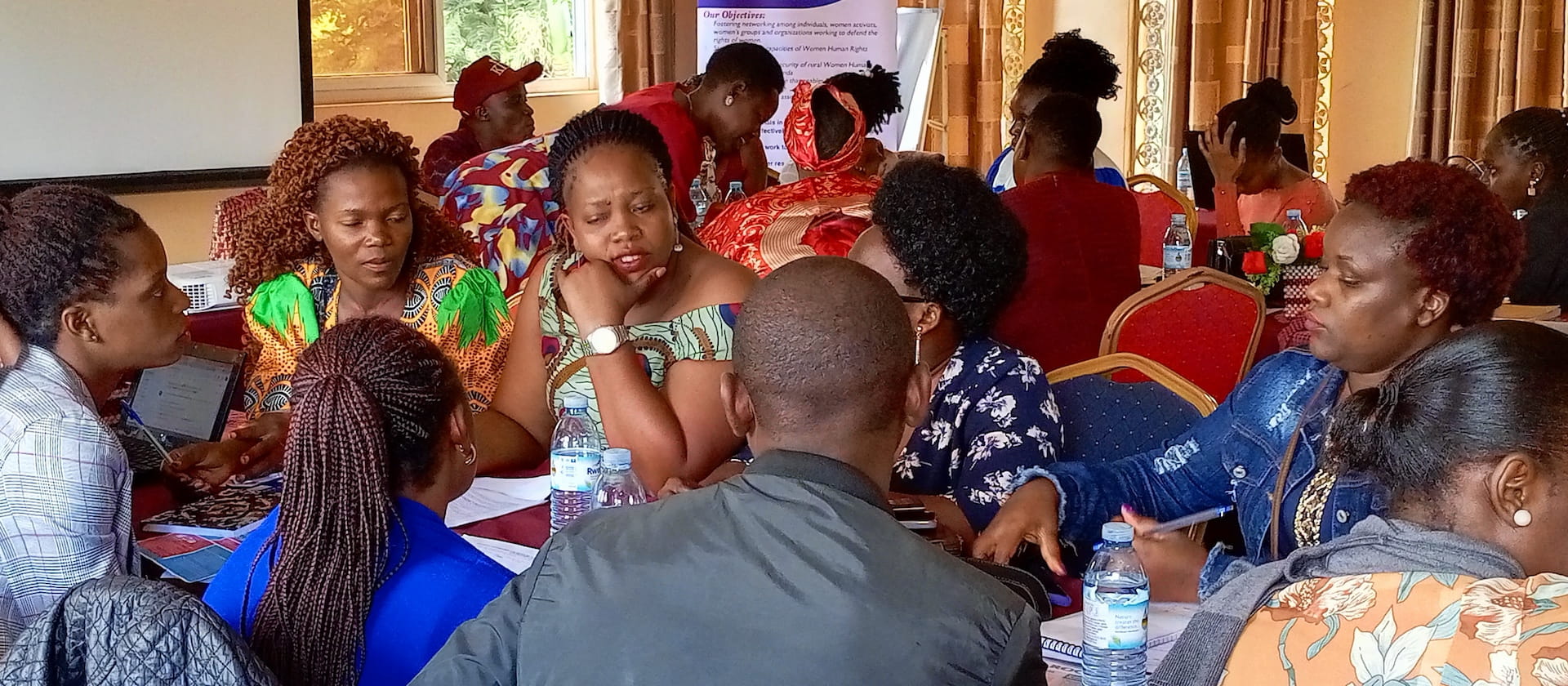
Research suggests women remain locked out of top roles in media and entertainment. A more diverse cast is required. There are many reasons to care about gender issues in the media and entertainment industry—not the least of which is the importance of moving beyond traditional stereotypes .
Read moreAdvocacy
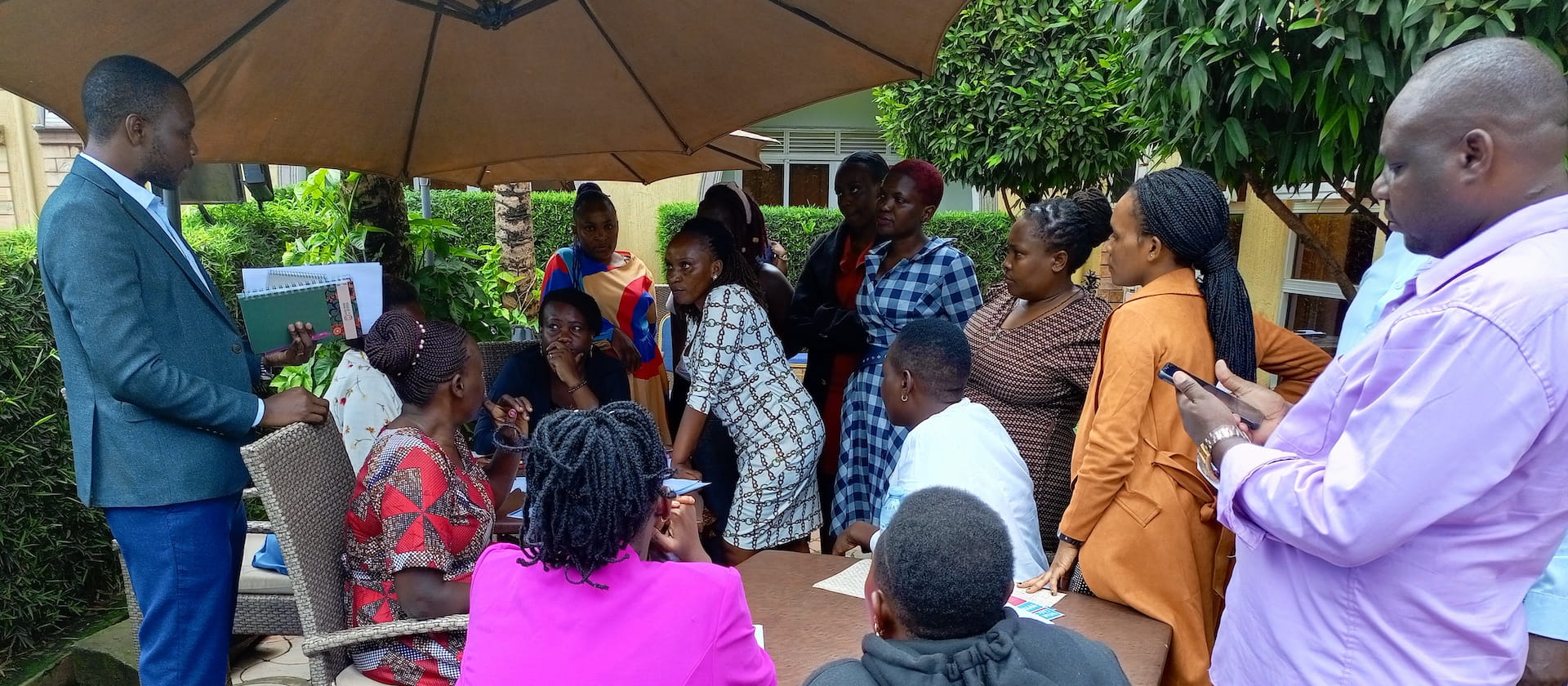
We call upon all media leaders and journalists to take action against the skewed balance and representation of gender in the news – both in terms of numbers and in portrayal. A balanced presence of women and men in news and current affairs would to a higher degree reflect the composition of society.
Read more